
Gambling can be an enjoyable form of entertainment when practiced responsibly. Many people play online casino games, slots, or sports betting purely for fun, excitement, or relaxation. However, gambling-related problems rarely appear suddenly. In most cases, they develop gradually, with small warning signs that are easy to ignore at first. This is why understanding responsible gambling warning signs is so important.
Recognizing when it is time to take a break can prevent financial stress, emotional harm, and long-term consequences. Responsible gambling is not about quitting forever or feeling ashamed. It is about awareness, self-care, and knowing when to pause before problems grow.
This guide explains the most common 책임감 있는 도박 warning signs, why they matter, and how taking a break at the right time can protect your money, mental health, and overall well-being.
Why Gambling Warning Signs Matter
Many players believe gambling problems only affect a small group of people. In reality, anyone can experience difficulty if early warning signs are ignored. Gambling risks grow quietly, often disguised as excitement, confidence, or determination.
Responsible gambling warning signs matter because they:
- Appear before serious harm occurs
- Signal loss of balance or control
- Provide an opportunity to stop early
- Help protect finances and relationships
- Support long-term healthy gambling habits
Recognizing warning signs early is far easier than fixing major problems later.
Gambling Should Feel Like Entertainment, Not Pressure
One of the first indicators of trouble is a change in how gambling feels. Gambling should be optional and enjoyable.
Healthy gambling feels like:
- A choice, not a necessity
- Relaxing or entertaining
- Easy to stop at any time
Unhealthy gambling often feels like:
- Pressure to keep playing
- Stress or anxiety about outcomes
- A sense of obligation
- Fear of missing out
When gambling stops feeling fun, it is often time to take a break.
Financial Warning Signs to Watch For
Financial changes are among the most common and serious gambling warning signs. These usually start small and grow over time.
Spending More Than Planned
If you regularly exceed your gambling budget or adjust limits during play, this is an early sign of losing control.
Chasing Losses
Continuing to gamble to recover lost money is a major warning sign. Chasing losses often leads to higher bets, emotional decisions, and deeper losses.
Using Money Meant for Essentials
Using funds intended for rent, bills, food, or savings indicates a serious risk and a strong need to stop and reassess.
Borrowing Money to Gamble
Borrowing from friends, family, or credit sources to continue gambling is a clear sign that a break is necessary.
Hiding Gambling Expenses
If you feel the need to hide spending or lie about losses, financial warning signs are already present.
Emotional Warning Signs That Should Not Be Ignored
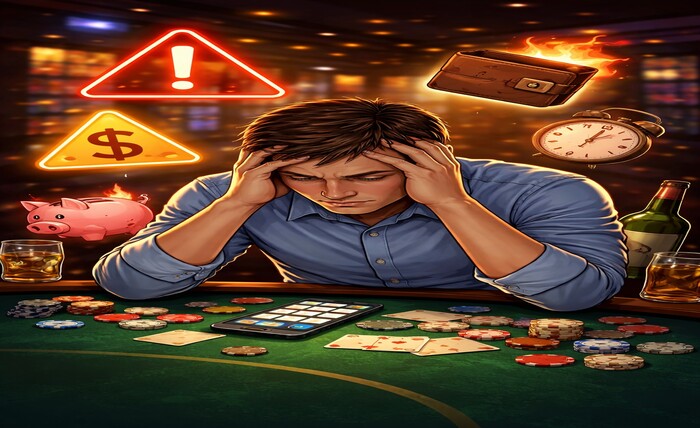
Emotional changes often appear before financial damage becomes obvious. Responsible gambling warning signs include shifts in mood and emotional well-being.
Common emotional warning signs include:
- Feeling anxious or restless when not gambling
- Irritability or frustration after gambling
- Guilt, shame, or regret following sessions
- Mood swings linked to wins and losses
- Stress or sadness triggered by gambling thoughts
When gambling affects emotional balance, it is time to pause and reflect.
Time-Related Warning Signs
Online gambling platforms are available at all hours, making time-related warning signs especially important to recognize.
Losing Track of Time
Regularly gambling longer than planned or losing awareness of time is a common early warning sign.
Gambling Late at Night
Frequently gambling late into the night can affect sleep, energy, and daily responsibilities.
Prioritizing Gambling Over Responsibilities
Skipping work, family time, or important tasks to gamble indicates growing imbalance.
Constant Urge to Play
Feeling compelled to gamble whenever free time appears suggests unhealthy attachment.
Time-related warning signs often indicate the need for a break to restore balance.
Behavioral Warning Signs of Problem Gambling
Behavioral changes are often noticed by others before the player recognizes them.
Common behavioral warning signs include:
- Thinking about gambling constantly
- Planning daily activities around gambling
- Becoming defensive when questioned
- Hiding or minimizing gambling behavior
- Increasing gambling frequency
- Ignoring previously set limits
When gambling begins to dominate thoughts and routines, it is time to step away.
Psychological Warning Signs and Loss of Control
Some warning signs are internal and harder to recognize, but they are just as important.
Psychological warning signs include:
- Feeling unable to stop gambling
- Believing a win is “due”
- Overconfidence after wins
- Feeling empty or bored without gambling
- Using gambling to escape personal problems
These signs suggest gambling is becoming emotionally important rather than recreational.
Relationship and Social Warning Signs
Gambling rarely affects only the player. Relationship strain is often an early indicator that something is wrong.
Social warning signs include:
- Arguments about gambling
- Withdrawing from friends or family
- Lying about time or money spent
- Avoiding social activities
- Ignoring concerns raised by loved ones
When gambling begins to damage trust or communication, a break is strongly recommended.
Work and Daily Life Warning Signs
Responsible gambling warning signs often extend into work and daily responsibilities.
These may include:
- Reduced productivity
- Difficulty concentrating
- Missing deadlines
- Using work time to gamble
- Loss of motivation for non-gambling activities
Gambling should never interfere with daily functioning. If it does, it is time to pause.
The Danger of Chasing Losses
Chasing losses deserves special attention because it is one of the clearest indicators that gambling is no longer under control.
Chasing losses happens when players:
- Increase bets after losing
- Continue gambling longer than planned
- Feel desperate to recover money
- Ignore limits due to frustration
This behavior creates a cycle that increases both financial and emotional harm. Taking a break is essential when chasing losses appears.
When Gambling Becomes a Coping Mechanism
Using gambling to cope with stress, loneliness, or emotional pain is a serious warning sign.
Gambling should never replace:
- Healthy coping strategies
- Emotional support
- Problem-solving
- Mental health care
If gambling becomes a way to escape problems rather than enjoy entertainment, a break is necessary.
Listening to Concern From Others
Sometimes others notice warning signs before the player does. Concerns from family or friends should never be dismissed.
If people close to you express worry about:
- Time spent gambling
- Money lost
- Changes in mood
- Changes in behavior
It is worth listening carefully. External feedback is often a valuable early warning.
When Is It Time to Take a Break?
Taking a break does not mean failure. It means responsibility and self-care.
It is time to take a break if:
- Gambling causes stress instead of enjoyment
- Limits are regularly ignored
- Emotions drive decisions
- Gambling dominates thoughts
- Finances feel pressured
- Relationships are affected
Breaks allow players to reset habits and regain perspective.
How Taking a Break Helps
Taking a break provides several benefits:
- Reduces emotional intensity
- Restores financial control
- Improves clarity and decision-making
- Reduces stress and anxiety
- Helps rebuild balance
Even short breaks can make a significant difference.
Tools That Support Taking a Break
Many gambling platforms offer tools that make breaks easier and more effective.
Helpful tools include:
- Time-out features
- Deposit and loss limits
- Reality check reminders
- Self-exclusion options
Using these tools is a responsible step, not a weakness.
Responsible Gambling Warning Signs for New Players
New players may not recognize warning signs due to lack of experience.
New players should watch for:
- Rapid increase in spending
- Strong emotional reactions
- Overconfidence after wins
- Difficulty stopping
Early breaks help build healthy long-term habits.
Responsible Gambling Warning Signs for Experienced Players
Experience does not eliminate risk. In some cases, it increases confidence and pressure.
Experienced players should watch for:
- Increasing bet sizes
- Emotional attachment to outcomes
- Reduced enjoyment
- Feeling obligated to play
Recognizing these signs early prevents deeper issues.
Mental Health and Gambling Warning Signs
Mental health struggles can amplify gambling risks.
Warning signs include:
- Gambling during emotional distress
- Feeling relief only when gambling
- Increased anxiety or depression linked to gambling
Taking a break protects both mental health and gambling balance.
Seeking Help When Warning Signs Appear
Recognizing warning signs does not mean you must handle them alone.
Support options include:
- Gambling helplines
- Online counseling
- Support groups
- Mental health professionals
- Educational resources
Seeking help early is a strong and responsible choice.
Creating a Personal Warning Sign Checklist
A personal checklist helps identify when it is time to pause.
Your checklist may include:
- Budget limits being exceeded
- Emotional stress during play
- Ignoring time limits
- Hiding behavior
- Loss of enjoyment
Having clear signals makes action easier.
Long-Term Benefits of Acting Early
Acting on warning signs early offers long-term benefits:
- Financial stability
- Emotional well-being
- Stronger relationships
- Sustainable enjoyment of gambling
- Confidence and self-respect
Early action prevents long-term harm.
Final Thoughts: Taking a Break Is a Responsible Choice
책임감 있는 도박 warning signs exist to protect players, not judge them. Gambling should always remain an enjoyable form of entertainment, never a source of stress, pressure, or harm. Recognizing warning signs early and taking a break when needed is one of the most responsible decisions a player can make.
A break is not the end of gambling. It is a pause that restores control, clarity, and balance. By listening to warning signs, using available tools, and seeking support when necessary, players can protect their money, mental health, and quality of life—ensuring gambling remains safe, enjoyable, and responsible.